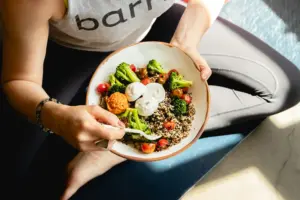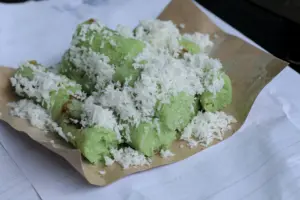
Exploring Singapore’s vegetarian food scene often reminds us that plant-based cooking is not only about savory meals. While spending time around the bustling plant-based eateries of Fortune Centre, we were inspired by the incredible variety of meat-free dishes available. From rich curries to delicate snacks, the local food culture proves that eating mindfully does not mean sacrificing flavor. It made us realize how easy it is to bring these familiar local flavors into our own kitchens, especially when it comes to sweet treats and vegetarian baking recipes.
If you are interested in exploring more about local plant-based dining and how it translates to the home kitchen, you can read our comprehensive guide on vegetarian food in Singapore.
Today, we are translating that inspiration into a homemade Asian dessert. We decided that pandan and coconut felt like the perfect flavors to bring home. This soft pandan coconut cake recipe is a vegetarian-friendly, dairy-free bake that requires no complicated equipment. It is a great recipe that is simple, fragrant, and perfect for beginner bakers wanting a slice of Singapore vegetarian food culture right from their own ovens.
Recipe Details
Prep time: 20 minutes
Baking time: 40 minutes
Total time: 1 hour
Servings: 8 slices
Difficulty level: Beginner
Why Pandan Leaves and Coconut Milk Work So Well Together in Vegetarian Baking Recipes
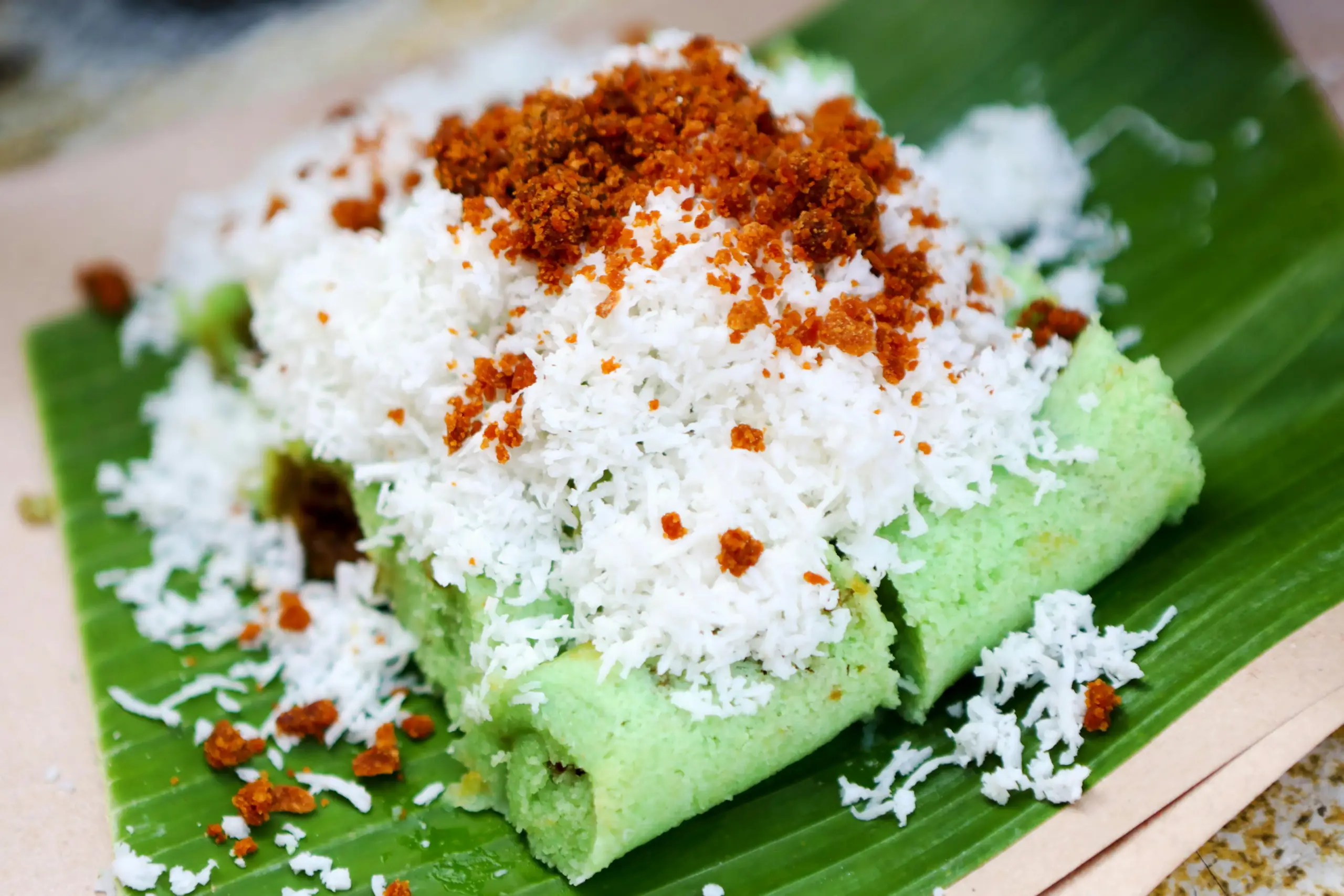
If you are looking for a classic flavor pairing in homemade Asian desserts, you cannot beat pandan leaves and coconut milk.
Pandan leaves are often called the vanilla of the East. They provide a fragrant, slightly grassy, and naturally sweet aroma that perfumes the entire kitchen when baked. On its own, pandan can be quite light, which is exactly why it needs a richer counterpart.
Coconut milk brings that necessary richness. It is creamy, comforting, and provides a beautiful tender crumb to baked goods without relying on heavy dairy creams or unsalted butter. When you combine the aromatic lift of pandan with the grounding, luscious texture of coconut milk, you get a vegetarian cake recipe that is balanced, flavorful, and incredibly satisfying with a fluffy texture.
Ingredients You’ll Need for This Delicious Cake Recipe
To make this pandan cake Singapore style, you will need a few pantry staples. This recipe avoids complex techniques, keeping the ingredient list straightforward and accessible.
Plain flour (200g / 1 ½ cups): Use all-purpose flour and whisk flour well to avoid lumps in the cake batter.
Baking powder (1 ½ tsp): Essential to help the cake rise and achieve that fluffy texture.
Caster sugar (150g / ¾ cup): Provides sweetness and helps lock in moisture without making the cake overly sweet.
Salt (¼ tsp): Just a tiny bit to balance the sweetness and enhance the coconut flavor.
Eggs (3 large): These bind the cake together and provide a rich, soft texture. Ensure they are at room temperature for best results.
Coconut milk (120ml / ½ cup): Use full-fat canned coconut milk for a creamy texture and the best flavor.
Pandan extract (1 tsp) or fresh pandan juice (2 tbsp): Extract is easy and convenient, giving the cake a vibrant green color. If you prefer natural methods, blend fresh pandan leaves with a little water and strain the juice.
Neutral oil (100ml / roughly ⅓ cup): Canola oil works well here. Oil keeps the cake moister for longer compared to melted butter, and reduces saturated fat content.
Desiccated coconut (2 tbsp, optional): For sprinkling on top to add a slight crunch and extra coconut aroma.
Vanilla extract or vanilla bean paste (optional): Adds a subtle vanilla flavor that complements pandan beautifully.
How to Make Soft Pandan Coconut Cake: A Super Easy Cake Batter Mixing Recipe
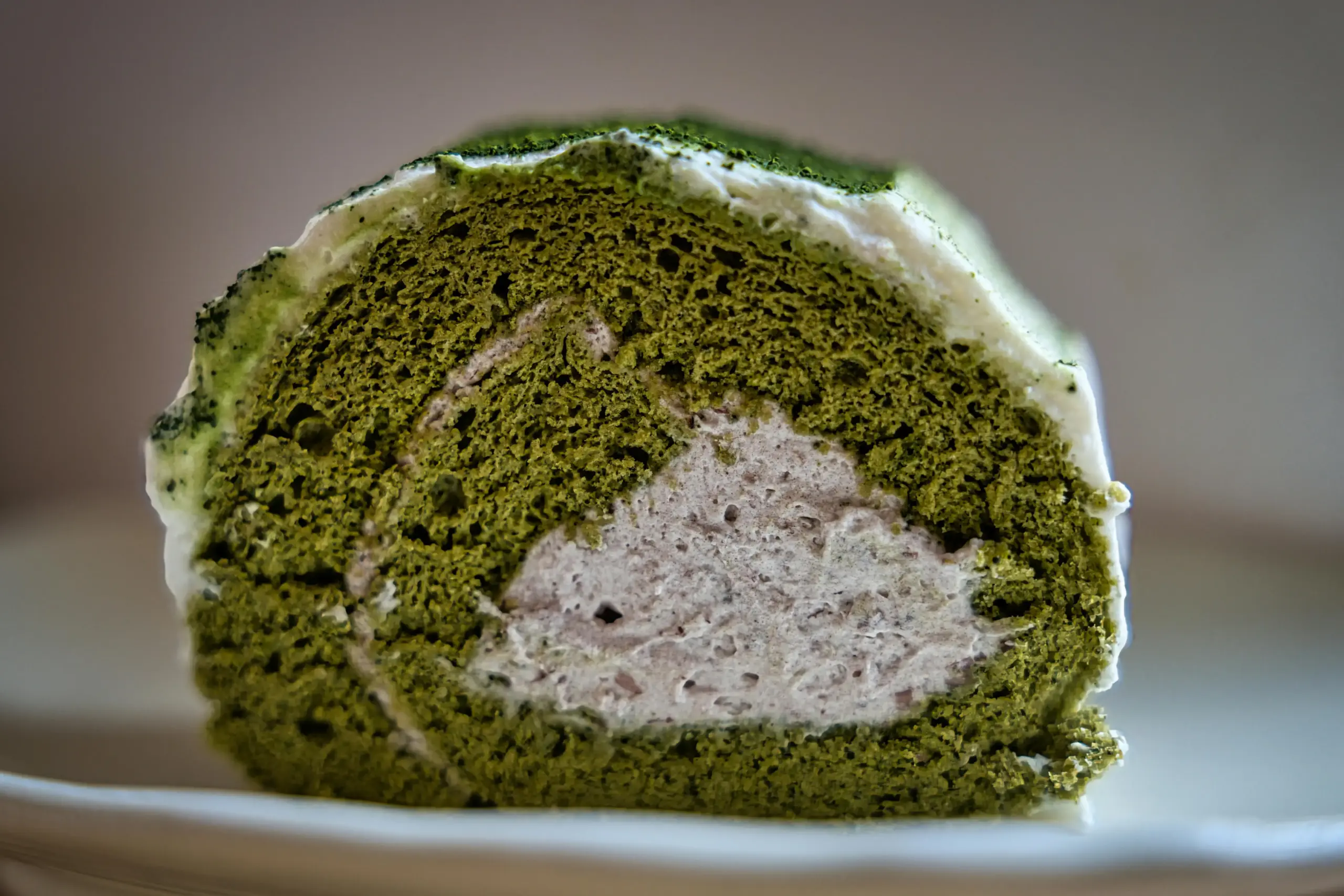
This coconut cake recipe uses a simple mixing method. You do not need a stand mixer—just two mixing bowls and a whisk.
Step 1: Prepare your pan and oven
Preheat your oven to 175°C (350°F). Grease an 8-inch round cake pan with a little oil and line the bottom with parchment paper. This ensures your cake will slide out easily later and produce straight layers if you plan to slice it for birthday cakes or baby shower treats.
Step 2: Mix the dry ingredients
In a large mixing bowl, whisk flour, baking powder, sugar, and salt together until fully dissolved and evenly combined. Make sure there are no large lumps of flour or baking powder left. Create a small well in the center of the dry ingredients.
Step 3: Mix the wet ingredients
In a separate, medium-sized bowl, crack the room-temperature eggs and lightly whip them. Pour in the full-fat coconut milk, canola oil, and your pandan extract (or fresh pandan juice). Whisk everything together until the liquid turns an even, bright green color and the oil is fully emulsified into the milk.
Step 4: Combine gently
Pour the wet pandan mixture into the well of your dry ingredients. Using a silicone spatula or a wooden spoon, gently fold the mixture together. Use a sweeping motion, scraping the bottom of the bowl and folding the batter over itself. Stop mixing as soon as you no longer see streaks of dry flour to avoid developing gluten and losing the fluffy texture.
Step 5: Bake the cake batter
Pour the batter into your prepared cake pan. Tap the pan gently on the kitchen counter twice to release any trapped air bubbles. If you are using desiccated coconut, sprinkle it evenly over the top of the batter now. Place the pan in the middle rack of your preheated oven and bake for 35 to 40 minutes. You will know it is done when a toothpick inserted into the center comes out clean.
Step 6: Cool before slicing and storing
Remove the cake from the oven and let it sit in the pan for 10 minutes. Then, run a butter knife around the edges, invert it onto a wire cooling rack, peel off the parchment paper, and let it cool completely. Store leftovers in an airtight container to keep the cake moist and fresh.
Baking Tips for a Softer Cake and Better Baking Recipes
To ensure your pandan coconut cake recipe turns out perfectly soft every time, keep these practical tips in mind:
Do not overmix: Once the wet and dry ingredients meet, mix only until just combined. Overmixing develops the gluten in the flour, resulting in a tough, rubbery cake.
Use room-temperature eggs: Cold eggs will cause the coconut milk and oil to seize up, making the batter lumpy.
Measure coconut milk properly: Shake your can of coconut milk vigorously before opening it. The rich coconut cream often separates and floats to the top of the can.
Avoid too much pandan extract: Pandan extract is highly concentrated. Adding more than recommended might give the cake an artificial or overly sweet aftertaste.
Let the cake cool before cutting: Slicing a hot cake lets the trapped steam escape, which can dry out the crumb. Patience yields a much softer texture.
Use unsalted butter or canola oil: If you want to add a buttery flavor, use unsalted butter melted into the coconut milk mixture, but keep in mind this will increase saturated fat content.
Optional frosting: For a delicious frosting, whip cream with a tiny bit of powdered sugar and vanilla extract to complement the cake’s flavors. This makes a great topping for cupcakes or birthday cakes.
Vegetarian Baking Recipes Adaptations and Serving Suggestions
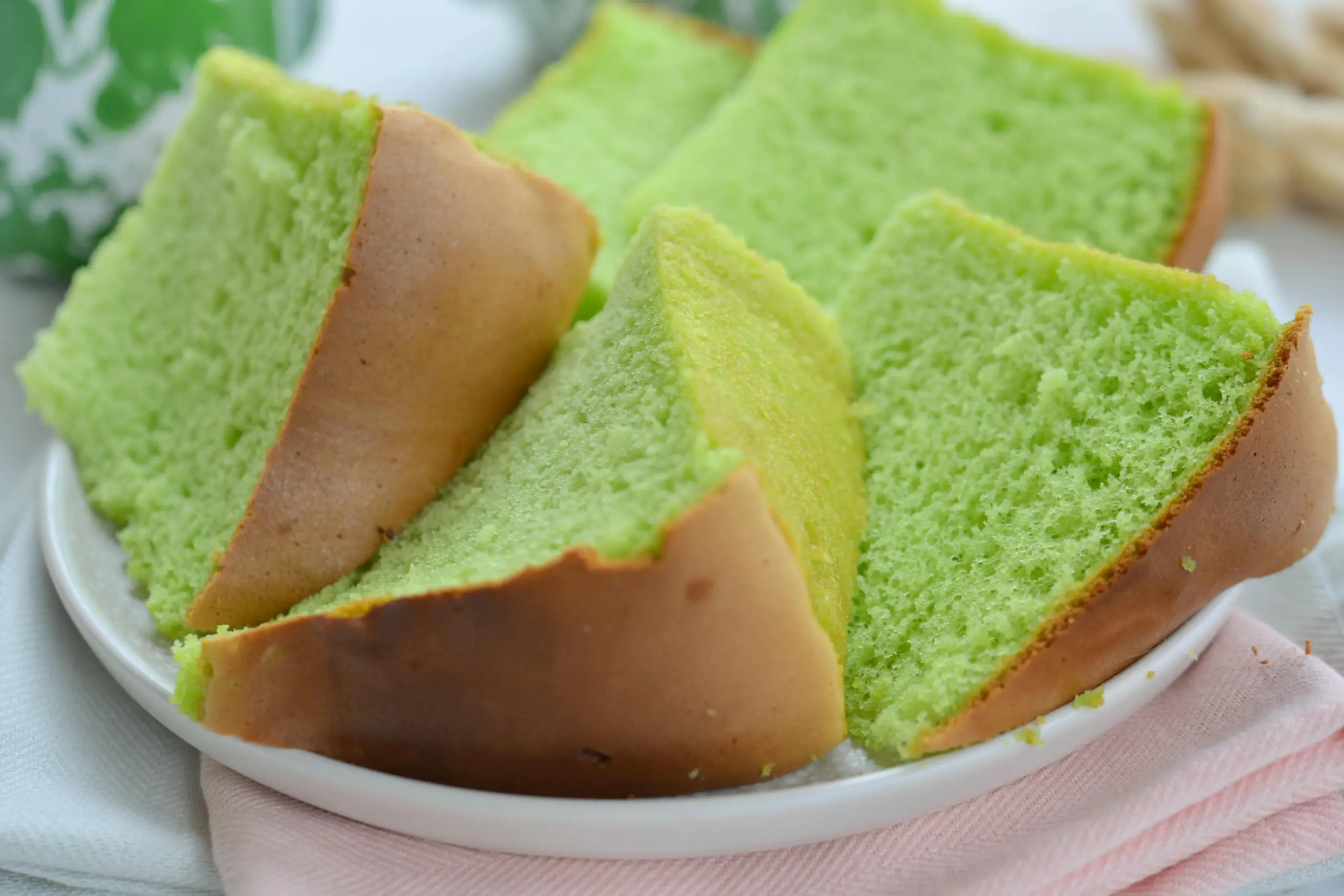
This vegetarian dessert recipe is incredibly adaptable to different dietary needs within a plant-based household.
Dairy-free version: This recipe is naturally dairy-free because we use coconut milk and canola oil instead of butter or cow’s milk.
Less sweet version: You can safely reduce the sugar to 120g (about ½ cup plus 2 tablespoons) without drastically affecting the structure of the cake, though it will be slightly less tender.
Egg-free note: If you need a strict vegan version, you can substitute the 3 eggs with ¾ cup of unsweetened applesauce or 3 “flax eggs” (3 tablespoons of ground flaxseed mixed with 9 tablespoons of water, left to thicken). Please note that removing the eggs will change the texture; the cake will be denser and less bouncy, resembling a quick bread rather than a sponge cake.
Serving ideas: This cake shines brightest when served simply. Because the flavors are aromatic but not overwhelmingly sweet, it pairs beautifully with warm beverages such as kopi, black tea, or unsweetened soy milk. For a special occasion like a baby shower or birthday, serve with fresh fruit or alongside other Asian-inspired vegetarian dishes like vegetable pasta or ricotta-stuffed shells.
Ending Note
Baking this soft pandan coconut cake is a wonderful, super easy way to bring Singapore-inspired vegetarian baking recipes right into your own kitchen. While eating out at great plant-based spots is always a joy and a great source of inspiration, creating a homemade dessert gives you complete control over the ingredients, sweetness, and texture.
We hope this recipe becomes a reliable favorite in your baking rotation. Gather your ingredients, preheat your oven, and enjoy the beautiful aroma of pandan leaves and coconut milk filling your home. Happy baking!