When I first tried making vegetarian char kway teow in my HDB apartment kitchen, it was a complete disaster. I threw an entire family-sized portion of flat rice noodles, soft tofu, and wet vegetables into a lukewarm non-stick pan. The result was a soggy, pale, broken mess that tasted like boiled noodles in soy sauce. It lacked the one thing that defines a great stir-fry: wok hei.
Wok hei translates to the “breath of the wok.” It is that distinct smoky, seared, almost caramelised aroma that you associate with hawker and zi char cooking. For a long time, I believed that without a roaring commercial jet burner, lard, and cockles, achieving wok hei at home was impossible—especially for vegetarian and vegan food.
In my experience, this is a common misconception. You do not need to replicate a hawker stall to get excellent results. The realistic goal for a home cook is to build controlled wok aroma through heat, dryness, timing, and smart vegetarian umami. Today, I want to show you exactly how to achieve that smoky depth in your own kitchen, safely and methodically.
The Reality of Wok Hei in a Singapore Kitchen: Stir Fry and Vegetarian Food Challenges
Before we begin cooking, we need to address the environment. A standard home stove has a fraction of the heat output of a commercial hawker burner. Because of this, the method relies entirely on small batches, dry ingredients, and quick movement.
Many people ask me, “Can vegetarian food actually have wok hei?” Absolutely. Many vegetables and mushrooms release moisture that, when interacting with a smoking hot wok and oil, creates searing, steam, and light char. The challenge is controlling that moisture so you do not accidentally steam your food.
Another real anxiety for home cooks is setting off the smoke alarm or creating a fire hazard. I strongly advise against using a blowtorch unless you are highly experienced. The Singapore Civil Defence Force (SCDF) consistently reports unattended cooking as a top cause of residential fires. We are going to build flavor through proper pan technique, not by playing with fire indoors.
Step-by-Step Instructions to Achieving Wok Hei at Home with Plant-Based Ingredients
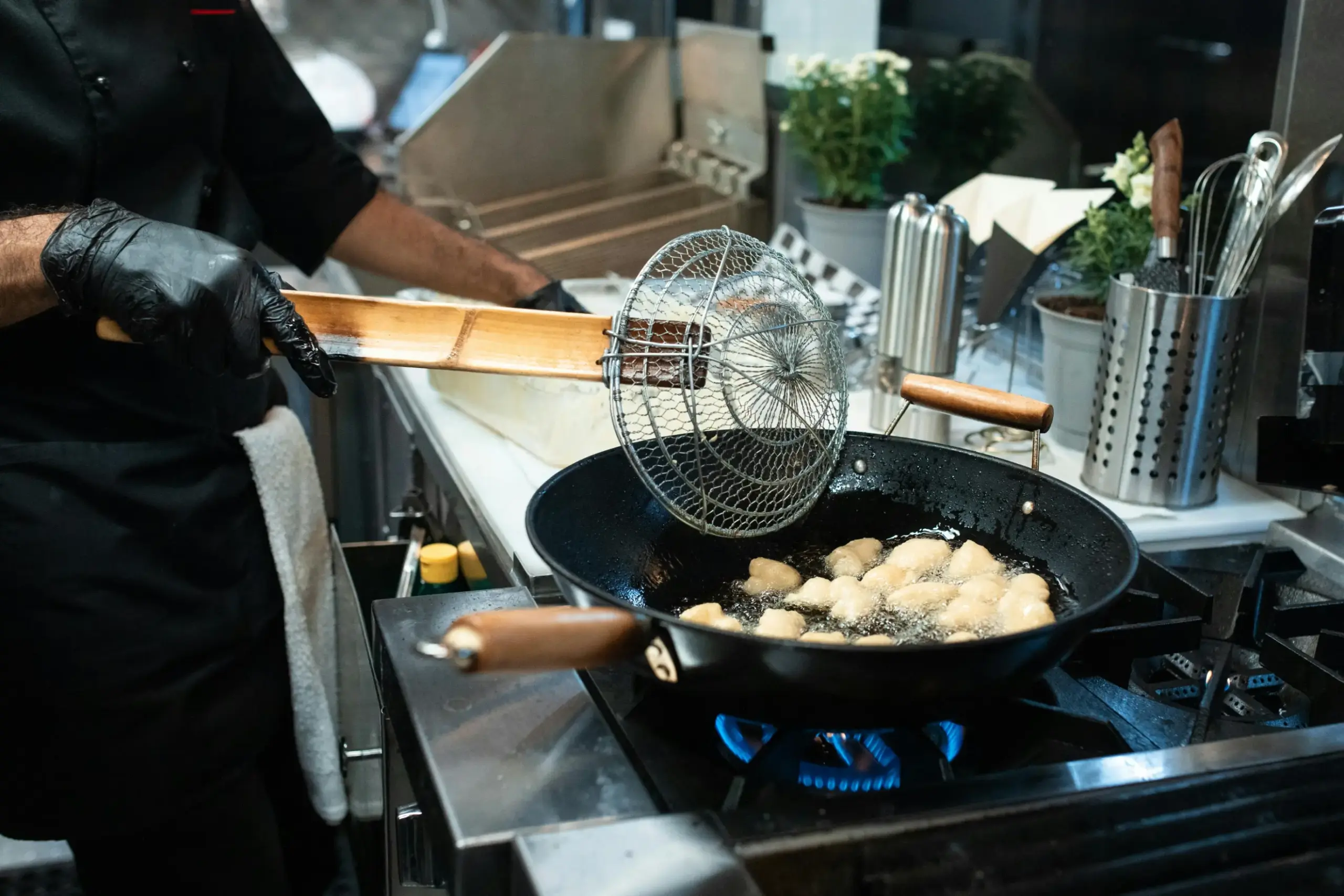
Translating the wok hei concept into a home kitchen requires a specific sequence of actions. Here is the process I use every time I cook.
Step 1: Choose the Right Pan for Stir Fry and Vegetarian Food
You need a pan that can hold and distribute high heat. I prefer a flat-bottomed carbon steel wok. It works beautifully on both gas and induction hobs. A branded, pre-seasoned carbon steel wok will usually cost you between $86 and $126 online. If you do not have a wok, a heavy cast iron skillet or carbon steel skillet will work.
Do not use a non-stick pan for serious high-heat frying. The high temperatures required will ruin the non-stick coating and release harmful fumes.
Step 2: Prepare Everything First for a Delicious Meal
Wok cooking happens in minutes. Once the oil is smoking, you do not have time to mince garlic or look for your dark soy sauce. Wash and thoroughly dry your vegetables, such as broccoli or sweet potatoes. Press your tofu. Mix your sauces in a small bowl. Keep a lid nearby for safety.
Step 3: Control the Moisture to Create Tasty Vegetarian Dishes
Moisture is the line between wok hei and watery stir fry. When I cook vegetarian food, I pay strict attention to this.
Vegetables: Spin or towel-dry leafy greens like kangkong or chye sim. Cut the stems and leaves separately so you can cook the thicker stems first.
Tofu: Use firm or extra-firm tau kwa. Press the water out with a paper towel. Sear the tofu first to create a crust, remove it from the pan, and add it back at the end.
Noodles: Loosen dried or fresh noodles before they hit the wok.
Insider knowledge: King oyster mushrooms are a vegetarian wok hei hero, but they release a lot of water. Slice them thickly and brown them in a single layer without tossing. Let them sear.
Step 4: Heat and Sequence for the Best Vegetarian Stir Fry
Here is a sequence that works flawlessly on a home stove:
Heat your empty wok until it is very hot.
Add a neutral oil and swirl it quickly.
Add your aromatics (like ginger or garlic) for just a few seconds.
Add your main ingredient in a single layer.
Let it sit. Do not toss immediately. The food needs contact with the hot metal to brown.
Pour your sauce around the sides of the wok, not directly into the center. This allows the sauce to sizzle and caramelise.
Toss quickly and plate immediately.
Step 5: Cook in Small Batches Like the Best Vegetarian Restaurants
This is the hardest lesson to learn. A hawker can cook three portions of fried rice at once. You cannot. If you are cooking for a family of four, you must split the cooking into batches. For the best char, cook one serving of noodles per batch. Crowding the wok drops the temperature and boils your food.
Step 6: Build Vegetarian Umami for a Michelin Guide-Worthy Taste
A smoky but under-seasoned dish still tastes weak. To replace the depth of oyster sauce, dried shrimp, or lard, you must layer vegetarian umami. I rely heavily on dried shiitake mushrooms, vegetarian oyster sauce (made from mushroom extract), dark soy sauce, fermented soybean paste (taucheo), and a dash of roasted sesame oil at the very end.
Common Mistakes I Made in Cooking Vegetarian Food (And How to Avoid Them)
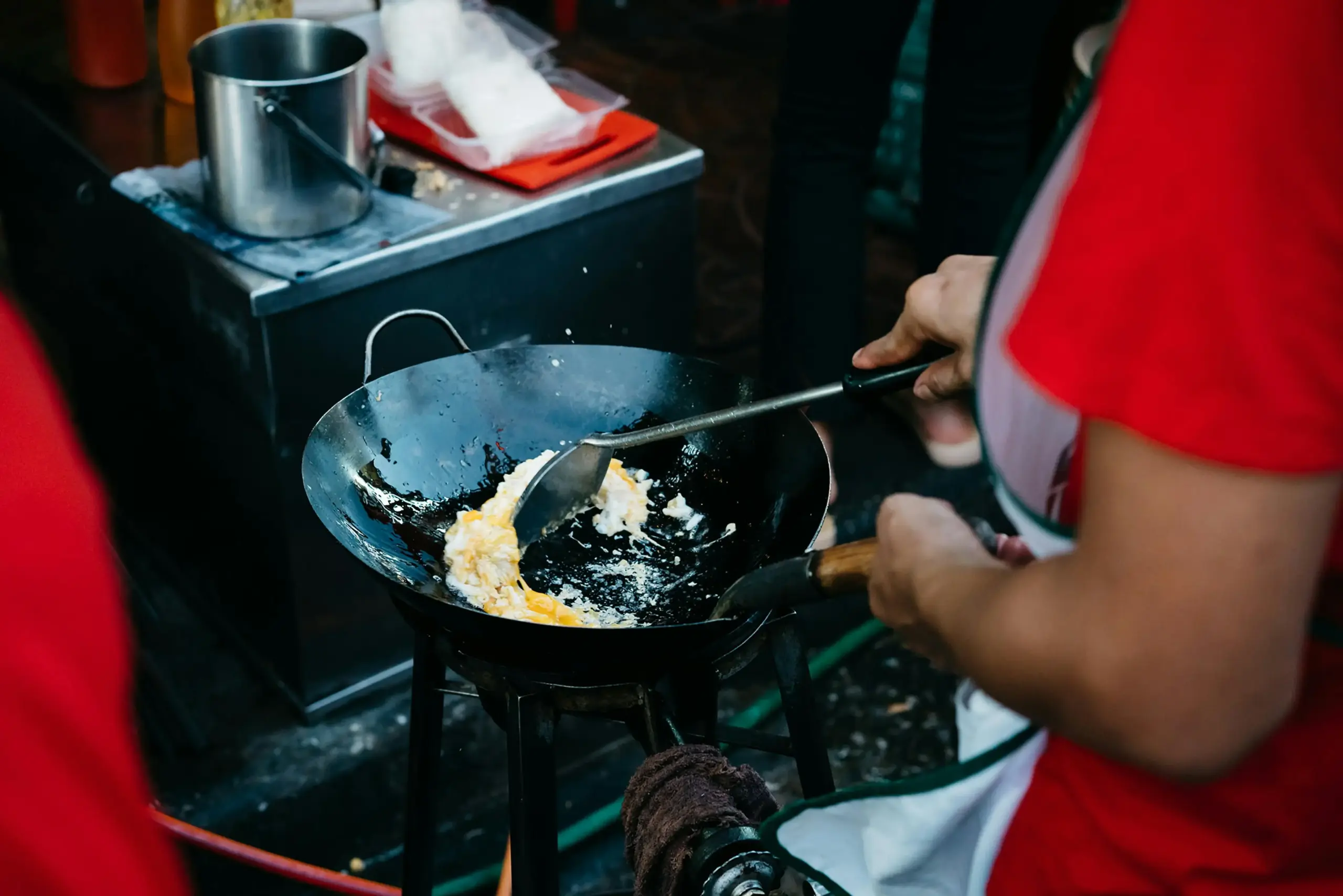
1. Tossing Too Much
When I first bought a wok, I wanted to look like a professional, constantly tossing the food in the air. I quickly learned that tossing cools the food down. Use the “press and pause” method. Let your noodles sit against the hot steel for a few seconds to develop char spots, then move them.
2. Drowning the Dish in Sauce
For a proper vegetarian char kway teow or fried bee hoon, your sauce should coat the ingredients, not pool at the bottom of the plate. Adding too many liquid drops to the pan temperature immediately. Use a concentrated sauce mixture and apply it sparingly.
3. Washing Vegetables Right Before Cooking
If you wash your xiao bai cai and immediately throw it into the wok, the residual water will instantly turn to steam, ruining any chance of a sear. Wash your vegetables 20 minutes ahead of time and let them drain completely in a colander.
Frequently Asked Questions About Wok Hei and Vegetarian Food
“Can I get wok hei on an induction hob?”
Yes. I’ve found that induction hobs are actually fantastic for maintaining consistent high heat. The trick is to use a flat-bottomed carbon steel wok or skillet so that the base maintains full contact with the induction surface. Pre-heat the pan thoroughly before adding oil.
“How do I make sambal kangkong without belacan?”
Traditional sambal uses fermented shrimp paste for depth. To achieve a similar savory funk, use a mix of fermented soybean paste, a little miso, and mushroom seasoning blended with your chillies and aromatics. Fry this paste slowly until the oil separates before adding your dry kangkong stems.
“Do I need to buy expensive mock meats?”
Not at all. While supermarkets like FairPrice offer great frozen mock meats (usually around $4 to $8 a packet), the most authentic vegetarian wok dishes rely on simple ingredients. Firm tofu, tempeh, and fresh mushrooms provide excellent texture and absorb smoky flavors beautifully. Expect to spend maybe $5 to $12 for a simple vegetable and tofu stir fry for two people.
Conclusion: Bringing the Best Vegetarian Food and Wok Hei to Your Table
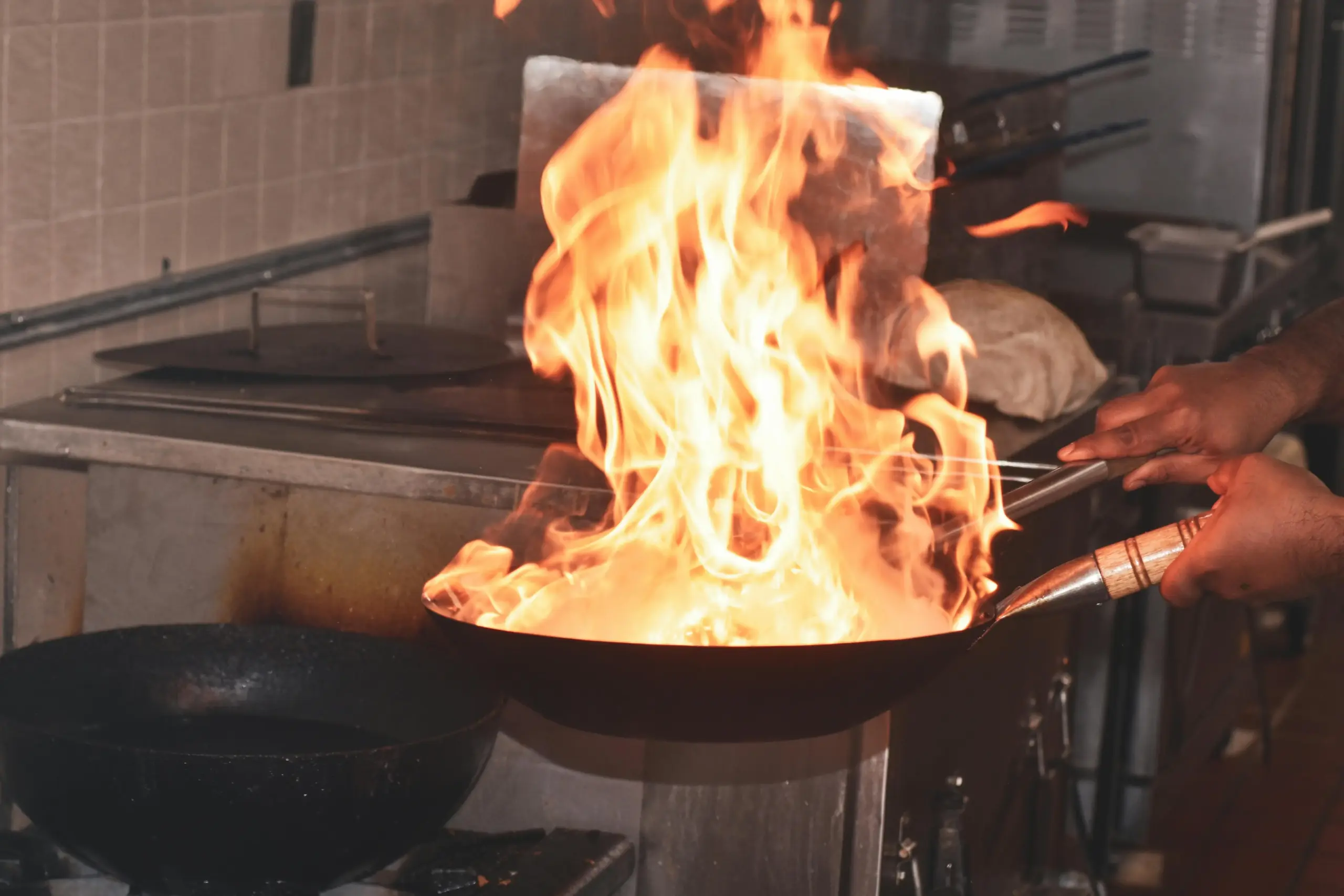
Mastering wok hei in a home kitchen is not about mimicking the massive flames of a hawker stall. It is about understanding the physics of your cookware, controlling moisture, and respecting the ingredients.
I’d suggest starting your journey with something simple, like a plate of garlic chye sim or sliced king oyster mushrooms. Focus on getting a good sear without burning the aromatics. Once you are comfortable with heat control, move on to fried bee hoon, and eventually tackle small batches of vegetarian char kway teow. Take your time, prep your ingredients well, and enjoy the process of bringing that incredible, smoky hawker aroma right into your own dining room.
For inspiration, consider visiting some of Singapore’s best vegetarian restaurants like Yi Xin Vegetarian in Little India, Whole Earth near Peck Seah Street, or Boneless Kitchen, known for its plant-based Korean dishes. These highly recommended eateries, some even recognized by the Michelin Guide, showcase how diverse and delicious vegetarian and vegan food can be across Asia and beyond. Whether you’re craving spring rolls, laksa, or even plant-based sushi and pasta, the vibrant vegetarian food scene in Singapore offers something tasty for everyone to enjoy with friends and family. Yum!
If you want to see how these wok techniques translate into real dishes, our vegetarian food Singapore guide, which connects these methods to both restaurant examples and practical recipes you can recreate at home.