Singapore Dishes: Your Complete Guide to Authentic Singaporean Home Cooking and Iconic Singapore Chili Crab & More

Singapore dishes are often described as a reflection of the country itself—layered, diverse, and shaped by generations of cultural exchange. Chinese, Malay, Indian food, and Peranakan food influences come together in ways that feel both distinct and deeply connected.

But for anyone looking to cook these dishes at home, the variety can feel overwhelming at first.

This guide breaks Singapore dishes down into clear, approachable categories, helping you understand what defines them and where to begin with Singapore home cooking.

What Defines Singapore Dishes?

At their core, Singapore dishes are built on balance—between savory and sweet, rich and light, spice and aroma.

Rather than relying on a single cuisine style, Singapore food evolves through:

  • adaptation of migrant recipes

  • local ingredients and climate, such as fragrant rice cooked with chicken broth and rich coconut milk

  • hawker culture and everyday eating habits

This is why many dishes share similarities with neighboring cuisines, yet feel uniquely Singaporean in execution and flavor.

The Core Types of Singapore Dishes

To understand Singapore home cooking, it helps to group dishes into a few foundational formats. Most recipes you’ll encounter fall into one of these categories.

Rice-Based Dishes: Hainanese Chicken Rice and More
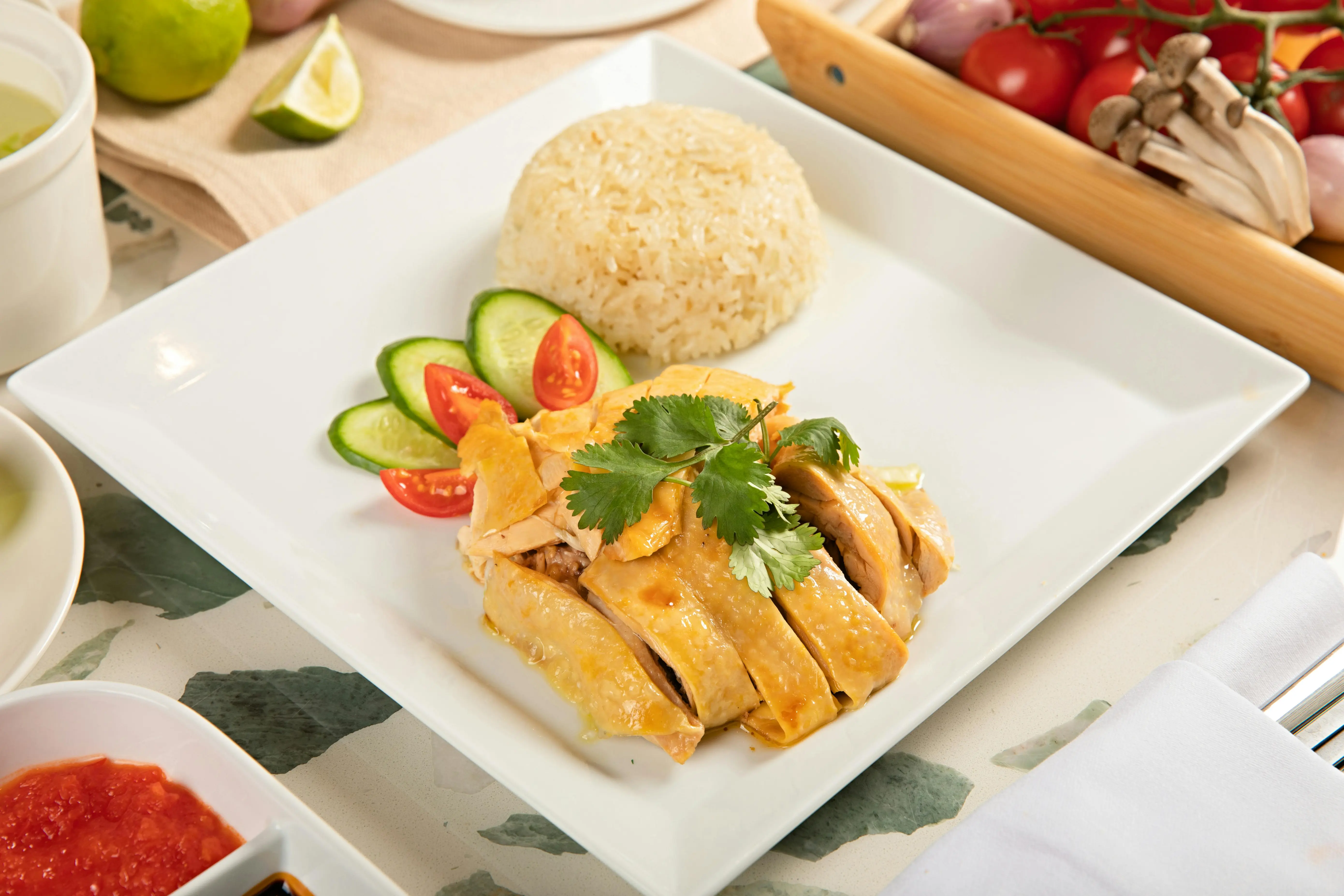
A plate of Hainanese chicken rice is presented with sliced poached chicken, a dome of seasoned rice, and fresh garnishes of cucumber and tomato. The dish is set on a well-lit table alongside small bowls of dipping sauces and a basket of fresh ingredients in the background.

Rice is central to many Singapore meals. These rice dishes often feature fragrant rice cooked in chicken broth or coconut milk, paired with proteins like roasted chicken, roast meat, or pork ribs simmered in flavorful broths.

Hainanese chicken rice, considered Singapore’s national dish, is a prime example, combining poached chicken with fragrant rice and served alongside chili sauce, sweet sauce, and sometimes boiled eggs or soft boiled eggs.

Other popular rice dishes include nasi lemak, where plain white rice is cooked in rich coconut milk and pandan leaves, served with sambal chili sauce, fried anchovies, peanuts, and boiled eggs.

Duck rice and chicken curry are also staples in this category, often enjoyed with sides like fried tofu (tau foo) or rice cakes wrapped in banana leaf.

Noodle Dishes: Stir Fried Noodles and More
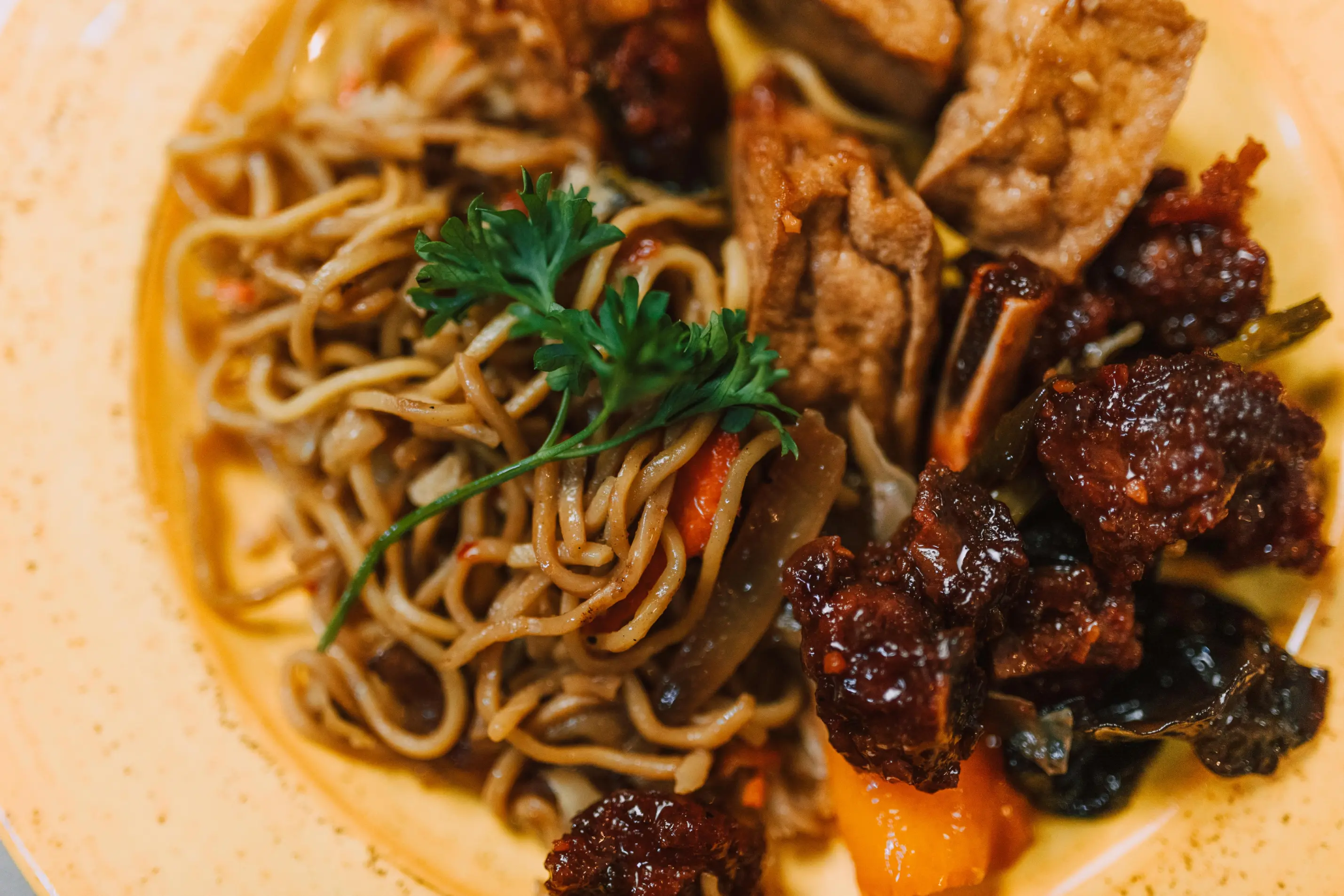
"A

Noodle dishes are a vibrant part of Singapore cuisine, offering a variety of textures and flavors through different types of noodles and cooking methods.

Stir fried noodles are especially popular, including iconic dishes like char kway teow, made with flat rice noodles stir fried with prawns, Chinese sausage, bean sprouts, and eggs in dark soy sauce and pork lard.

Hokkien mee features a mix of egg noodles and rice noodles stir fried with prawns, squid, pork belly, and served with a squeeze of calamansi lime.

Other beloved noodle dishes include wanton mee with egg noodles and fish paste-filled dumplings, fish ball noodles, and laksa, a spicy noodle soup with thick rice noodles in a rich coconut milk broth flavored with fermented shrimp paste.

Rice noodle rolls and fried kway teow also showcase the range of noodle textures and sauces, often accompanied by crunchy bean sprouts and chili sauce.

Soup-Based Dishes: Pork Ribs and Bak Kut Teh
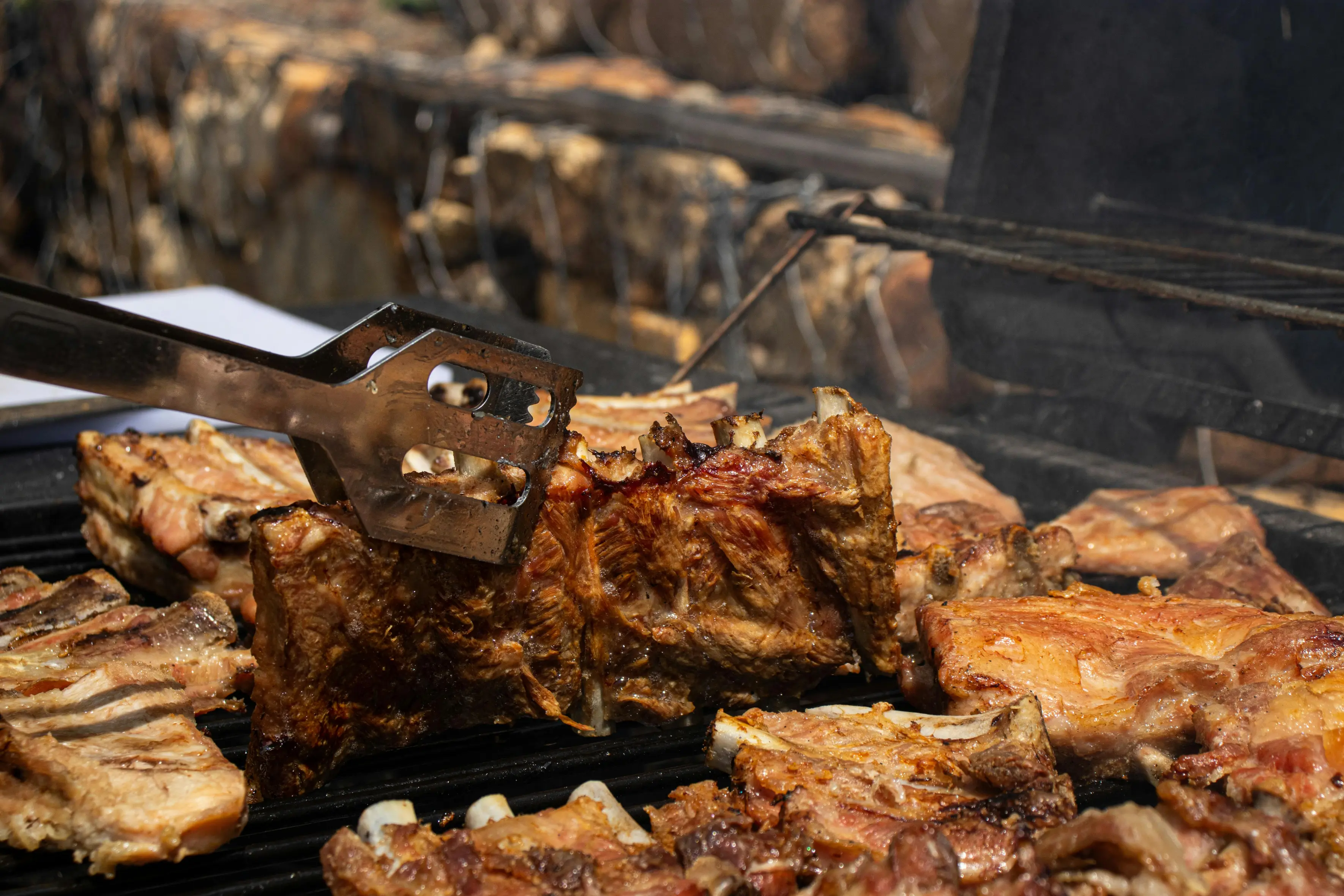
"Metal

Soup dishes are known for their depth of flavor, often built through slow simmering of ingredients like pork ribs, chicken broth, and herbs.

Bak kut teh, meaning pork rib soup, is a beloved dish featuring pork ribs simmered in a herbal broth, often enjoyed with fried dough fritters and fragrant rice.

Fish ball noodles and rice porridge also fall into this category, providing comforting meals often found at hawker stalls and food courts.

Side Dishes and Shared Plates: Tau Foo, Carrot Cake, and More
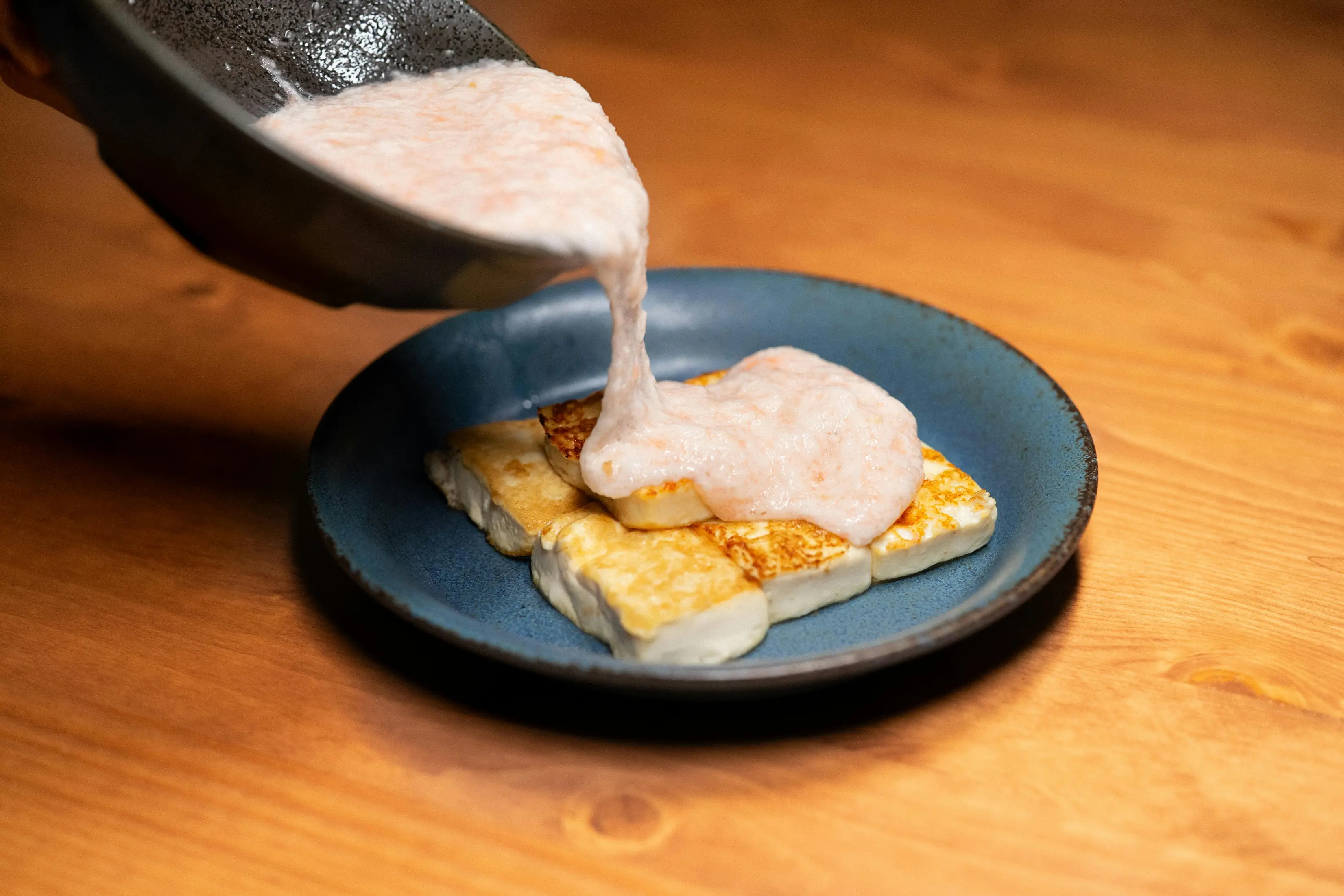
"A

Singapore meals are rarely just one dish. Sides play an important role in creating a complete experience.

Popular sides include tau foo (fried tofu), carrot cake (chai tow kway), which is made from rice flour and rice cakes fried with eggs and sometimes seafood, and served in black (sweet soy sauce) or white versions.

Satay with rich peanut sauce, otah (grilled fish paste wrapped in banana leaf), popiah (fresh spring rolls), and sambal vegetables are also common.

Pairing a main dish with one or two sides brings balance to the meal and showcases the diversity of Singapore food.
Understanding Flavours in Singapore Home Cooking

Singapore dishes are not defined by spice alone. Instead, they rely on layered flavors built from key ingredients such as:

  • garlic and ginger

  • soy sauce and dark soy sauce

  • fermented shrimp paste and sambal chili sauce

  • coconut milk and rich peanut sauce

Many dishes are designed so that spicy sauce and sweet sauce can be adjusted separately, allowing flexibility when cooking at home.

How Hawker Stalls Shape Singapore Dishes

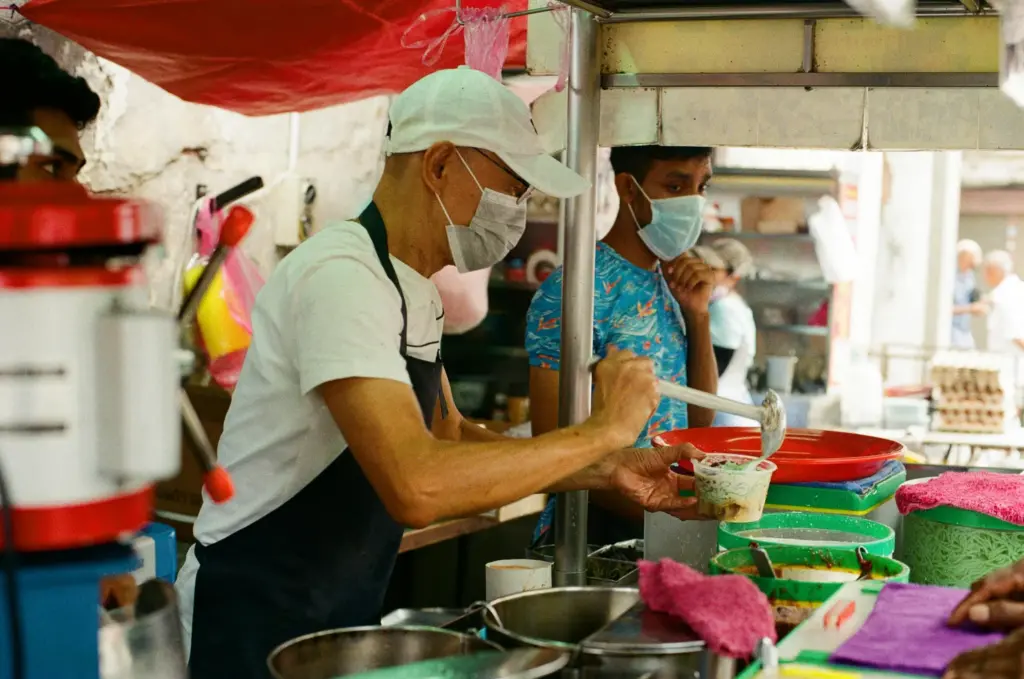
A street food vendor wearing a mask and white cap carefully prepares a colorful dessert in a clear plastic container. The bustling stall features various bowls of ingredients and a red ice shaver in the foreground.

To understand Singapore dishes, you also need to understand hawker culture.

Hawker stalls in hawker centers and food courts are where many of these dishes are refined over time—each stall focusing on a small number of recipes, perfected through repetition.

This influences home cooking in two ways:

  • dishes are often broken into components (rice, protein, sauce)

  • recipes prioritize efficiency and consistency

For home cooks, this means focusing on mastering one dish at a time rather than trying to recreate everything at once.

Where to Start With Singapore Home Cooking

If you’re new to cooking Singapore dishes, start with recipes that are:

  • familiar in structure

  • manageable in ingredients

  • forgiving in technique

Good starting points include:

  • chicken rice, such as hainanese chicken rice with fragrant rice and chili sauce

  • simple stir fried noodles like char kway teow or hokkien mee

  • basic stir-fried vegetables and tau foo

Once you’re comfortable, you can move into more complex recipes like laksa or sambal-based dishes such as chili crab and salted egg yolk crab.

Building Confidence in Singapore Cooking

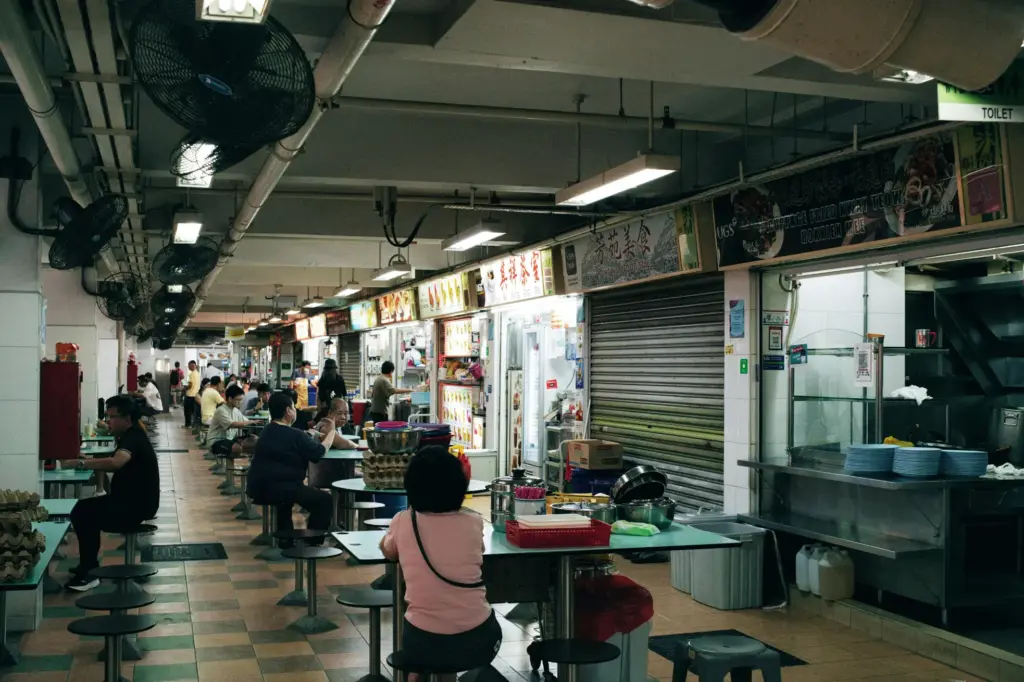
Patrons sit at round tables in a bustling indoor hawker center lined with various food stalls and industrial ceiling fans. The scene captures a slice of daily life, featuring tiled flooring and rows of open-front kitchens serving local cuisine.

Learning Singapore dishes is less about memorizing recipes and more about understanding patterns.

As you cook more, you’ll start to notice:

  • how sauces like chili crab sauce and curry sauce are layered

  • how heat affects texture in fried noodles and rice cakes

  • how dishes are balanced across a meal with sides like kaya toast and soft boiled eggs

This makes it easier to adapt recipes and cook with confidence over time.

Explore Singapore Dishes Through Recipes

This guide is meant to give you a foundation. The best way to truly understand Singapore dishes is to cook them.

If you’re ready to start, explore our collection of Singapore home cooking recipes, where we break down each dish step by step—from preparation to plating.

Final Thoughts: Eat in Singapore and Beyond

Singapore dishes can feel complex at first, but they become much more approachable once you understand how they are structured.

Start simple, focus on one dish at a time, and build from there. With each recipe, you’ll gain a deeper appreciation for the balance and diversity that define Singapore home cooking.

Whether you’re cooking at home or planning to eat in Singapore at hawker stalls or food courts, these dishes offer a delicious glimpse into the city’s rich culinary heritage.

All in all, if you’re interested in discovering the best vegetarian food in Singapore, we’ve gathered top restaurant recommendations and easy-to-follow recipes to try at home.

Scroll to Top