When I first started exploring Singapore food, I remember standing in the middle of Maxwell Food Centre during the lunch rush, feeling completely overwhelmed. The air was thick with humidity and the smell of roasted meats, queues seemed to overlap, and the menus above each food stall felt brief and intimidating.
I ended up ordering a plate of plain noodles, not because I wanted to, but because I panicked when it was my turn to speak.
That moment taught me something important: the challenge isn’t the food itself—it’s the context around it.
Before you start cooking Singapore dishes at home, it helps to understand how they’re experienced in real life. Once you do, recipes start to make a lot more sense.
If you’re looking to explore plant-based options, don’t miss our guide to the best vegetarian food singapore, which highlights top restaurant picks and recipes to try at home.
Start With Familiar Singapore Dishes Like Hainanese Chicken Rice, Chicken Wings, and Fried Hokkien Mee Before Trying Everything
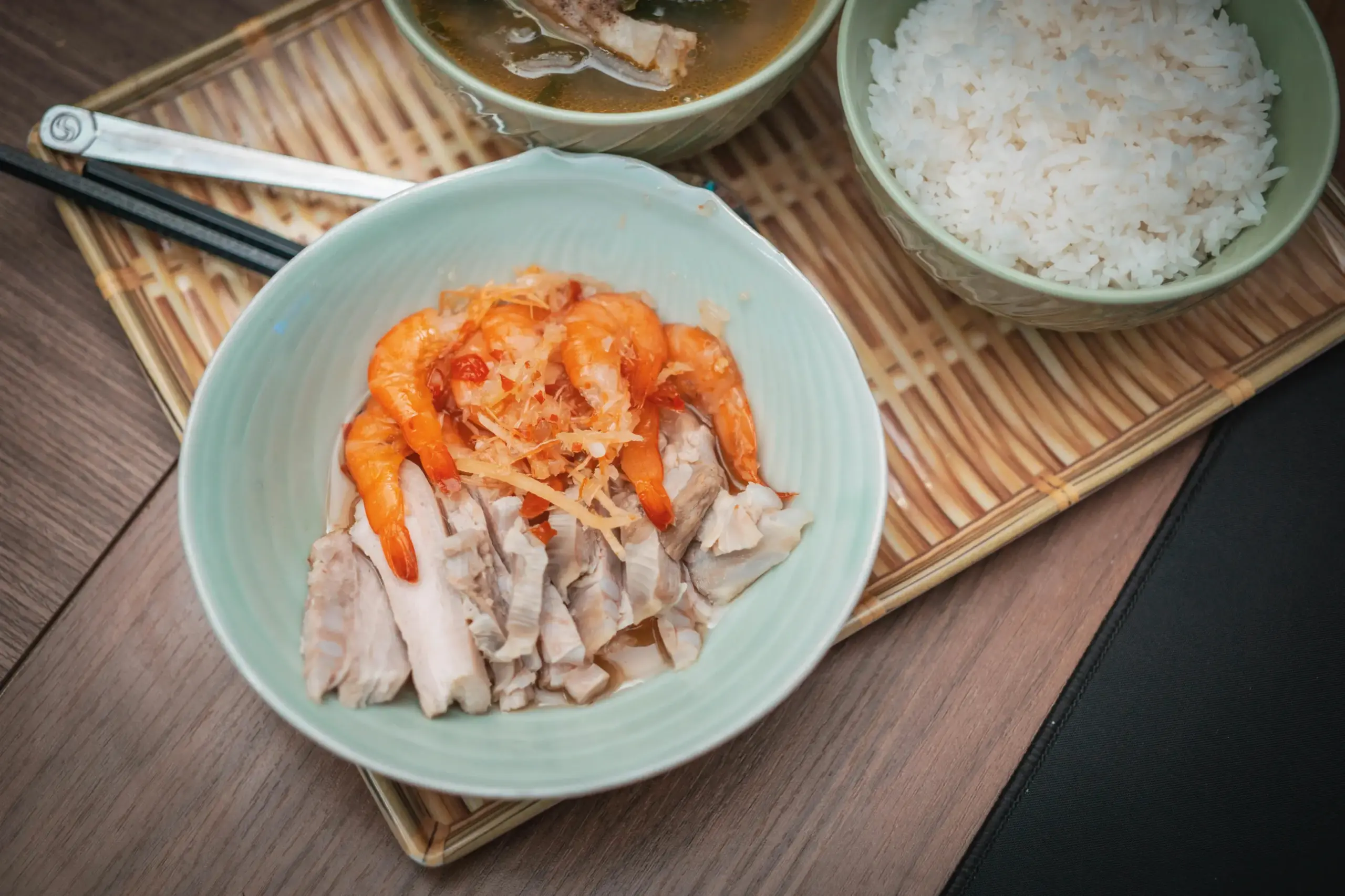
One of the easiest ways to understand Singaporean food is to break it into familiar formats. What looks overwhelming at first is often just variations of a few core ideas.
At hawker centres, most dishes fall into categories like:
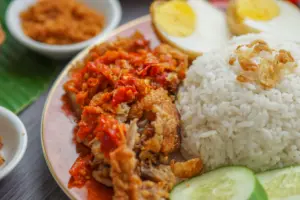
Rice-based meals – like fragrant hainanese chicken rice, nasi lemak cooked with coconut milk and pandan leaves, or plates featuring crispy chicken wings
Dry noodle dishes – such as stir fried kway teow, char kway teow made with flat rice noodles, or fried hokkien mee combining yellow egg noodles and rice noodles
Soup noodles – like laksa lemak with rich coconut milk broth or prawn noodle soup simmered in chicken broth
Shared side dishes – including satay, grilled fish paste, or fried tofu
If you’re planning to cook at home, this breakdown helps you decide where to start. Most home cooks begin with rice dishes or simple stir fried noodles before moving into more complex, broth-heavy recipes.
How Ordering Works at Hawker Stalls (And Why It Matters for Cooking Singapore Dishes Like Bak Kut Teh and Chili Crab)
Hawker centres move quickly, and understanding how ordering works gives you insight into how dishes are built.
You usually choose your main base (fragrant rice, steamed white rice, basmati rice, or rice noodles)
Then adjust ingredients or spice levels
Sauces—especially chili sauce or spicy sauce—are often served on the side
This is important when you start cooking. Many Singapore recipes are modular. You’re not just following steps—you’re assembling components: rice or noodles, protein (like pork ribs in bak kut teh, chicken curry, or seafood dishes like chili crab), sauce (such as oyster sauce or shrimp paste), and side dishes.
Understanding Spice Levels and Flavour Balance in Popular Singapore Dishes Like Char Kway Teow and Fried Hokkien Mee
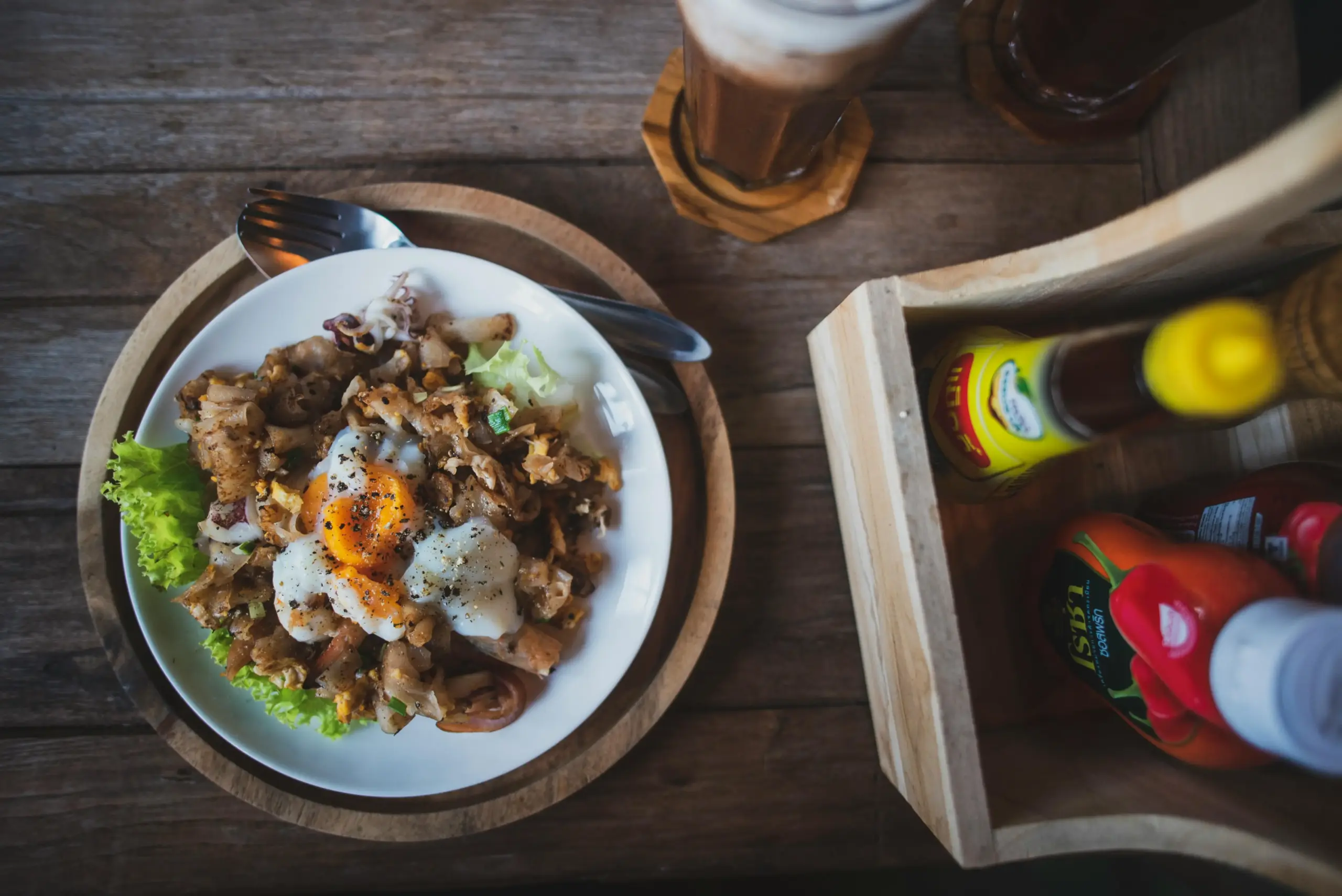
A common misconception is that Singapore food is always spicy. In reality, many dishes are mild by default.
Dishes like:
hainanese chicken rice served with soft boiled eggs
bak kut teh, a pork rib soup cooked with traditional methods
wanton mee or char kway teow stir fried with pork lard and dark soy sauce
are typically not spicy at all.
The heat usually comes from chili sauces or sambal added separately. When cooking at home, this gives you flexibility—you can control spice levels instead of locking them into the dish.
What Makes a Good Version of a Singapore Food Dish Like Kaya Toast or Nasi Lemak
Before you cook a dish, it helps to know what a good version tastes like.
Here are a few simple indicators:
Hainanese chicken rice → the rice should be fragrant and slightly glossy, cooked in chicken broth, not dry, with tender chicken pieces
Laksa lemak → the broth should feel rich and creamy from coconut milk, not watery, often with rice flour noodles
Char kway teow → there should be a slight smoky flavour from the wok, with ingredients like chinese sausage and bean sprouts stir fried together in a golden brown cooking style
Bak kut teh → the broth should be clean but deeply peppery, with tender pork ribs, a popular meat dish
Fried hokkien mee → a stir fried dish combining yellow egg noodles and rice noodles, tossed with seafood and spring onions in a savory sauce, typically served with sambal chili sauce
Kaya toast → toasted bread spread with kaya (a jam made from coconut milk, eggs, and sugar), typically served with soft boiled eggs and a cup of kopi (coffee) prepared with evaporated milk and condensed milk
Understanding these benchmarks helps you cook with intention instead of just following instructions blindly.
Common Mistakes Beginners Make When Cooking Singapore Dishes Like Bak Kut Teh and Chili Crab
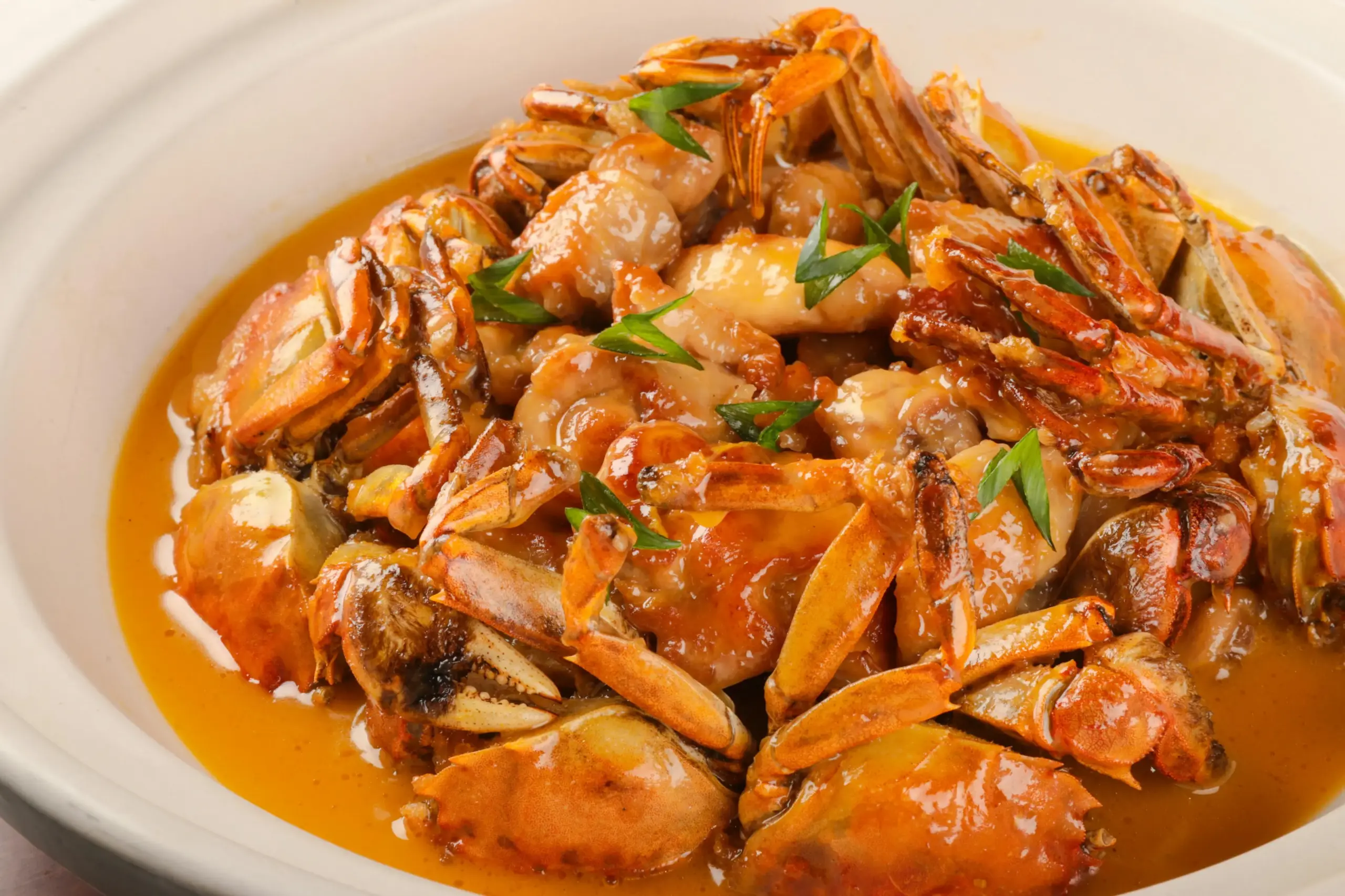
If you’re new to Singapore food, a few things can throw you off:
1. Trying too many heavy dishes at once
Start simple. A single rice dish like hainanese chicken rice or a noodle dish like char kway teow is usually enough before exploring richer options like singapore chili crab or curry sauce dishes.
2. Assuming long queues always mean the best food
Queues help, but context matters. Some hawker stalls are just slower than others.
3. Ignoring how dishes are eaten
Singapore food is often shared. Even at home, pairing one dish with one or two side dishes, such as fried anchovies, fried tofu, or soft boiled eggs, creates a more complete meal.
A Quick Note on Hawker Culture, Zi Char, and Chinese Immigrants in Singapore Food
You’ll often see tables “reserved” with a packet of tissues, an umbrella, or a name card. This is known as chope culture.
It’s a small detail, but it reflects how practical and fast-paced the food culture is. That same practicality carries into home cooking—meals are designed to be efficient, balanced, and satisfying.
Hawker centres and food courts are hubs of chinese culture and culinary journey, where traditional methods meet modern tastes. From kaya toast with evaporated milk and condensed milk served hot in the morning to plates of nasi lemak garnished with pandan leaves and ikan bilis, the diversity is incredible.
Zi char, a popular cooking style in Singapore, offers a variety of different dishes, often including meat dishes cooked to a golden brown perfection and served with rice or noodles.
Before You Start Cooking Singapore Dishes at Home: Incorporating Ingredients Like Tapioca Starch and Sesame Oil
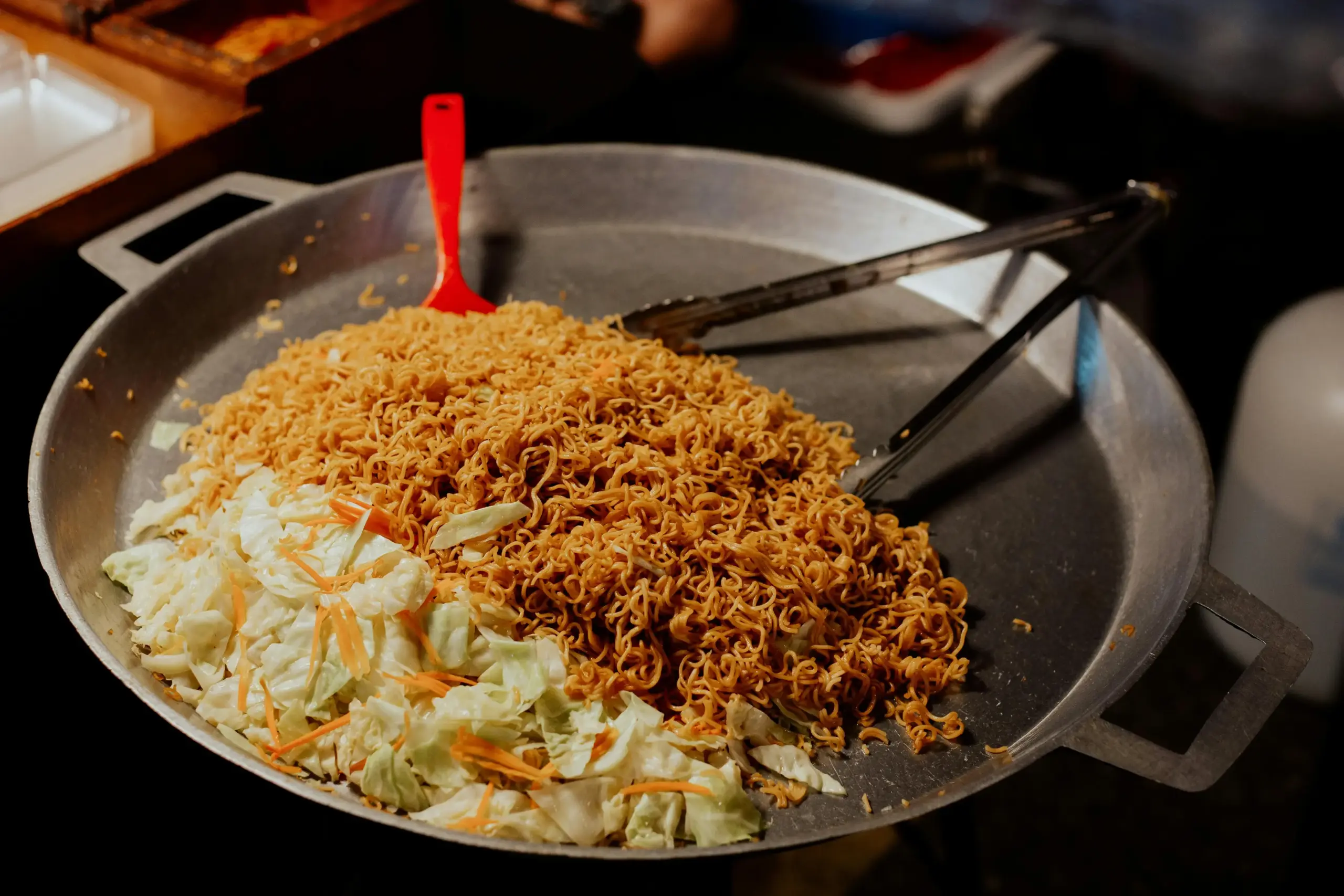
If you’re just getting into Singapore home cooking, don’t try to master everything at once.
Start with:
a simple rice dish like hainanese chicken rice with fragrant rice and chicken broth
or a basic stir fried noodle dish like fried hokkien mee or char kway teow made with flat rice noodles and dark soy sauce
Many noodle dishes use rice flour or tapioca starch in their preparation to achieve the right texture. Sesame oil is often added to enhance aroma and flavor.
From there, you can build toward more complex recipes like laksa lemak, bak kut teh, or singapore chili crab.
If you’re looking for recipes to begin with, explore our full guide to Singapore dishes you can cook at home, where we break down the most essential dishes step by step.
Final Thoughts on Cooking Singapore Food: Enjoying the Entire Plate and Sweet Treats Like Shaved Ice
Singapore dishes can feel overwhelming at first, but once you understand how they’re structured and experienced, it becomes much easier to approach—both when eating out and when cooking at home.
Think of hawker centres as your reference point. The more you observe how dishes are served dry or with side dishes, ordered, and eaten, the more confident you’ll feel recreating them in your own kitchen and delighting your taste buds with authentic flavors.
Don’t forget to try popular desserts like ice kacang, a refreshing shaved ice treat topped with different toppings, to complete your culinary journey.
Enjoy every bite of the entire plate and the rich variety of different dishes that Singapore food has to offer.